


Do you earn money from your dental SEO? Optimising a business’s website on Google is a topic many dental practices discuss when it comes to growing their practice. Having a higher ranking and more traffic doesn’t necessarily mean more business.
SEO ROI for a dental practice is closely linked to real-world results – new appointment calls, treatment bookings, and other things of increasing revenue. It assists one in determining which methods are effective and where the budget is being spent, and how much value the online presence will provide.
In this guide, you will learn how to calculate your dental SEO ROI, what you’ll need to track, what tools to use, what a good ROI will be, and how you can get more out of your investment in dental SEO.
What SEO ROI Means for a Dental Practice
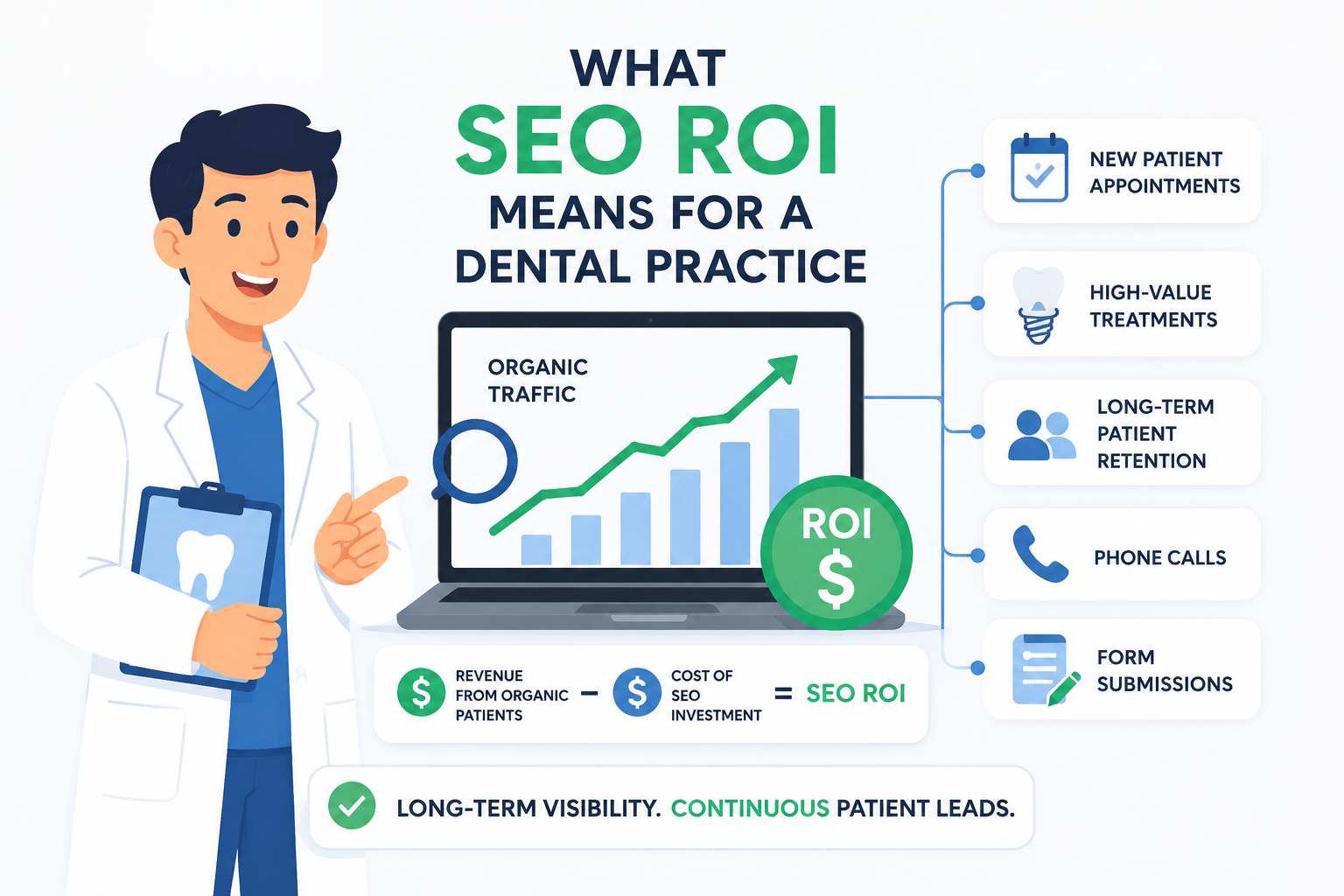
SEO ROI (Return on Investment) is the dollar value obtained from traffic that comes from organic search engines versus the cost of hiring SEO services.
In simple terms:
SEO ROI = Revenue from Organic Patients − Cost of SEO Investment
This isn’t just about website traffic for dental practices. It is responsible for connecting directly to:
- New patient appointments
- High-value treatments (implants, veneers, orthodontics)
- Long-term patient retention
- Phone calls and form submissions
SEO creates lasting visibility, whereas paid ads are one-time advertisements. With your practice’s ranking, you can continue to attract patients without spending money on a per-click pricing model.
Why Measuring SEO ROI Matters for Dental Practices
By measuring the SEO ROI, you will be able to decide whether SEO is indeed worth your money and make proper marketing decisions.
Better Marketing Decisions
SEO ROI depicts which strategies are attracting customers and income, including:
- Blog content
- Local SEO
- Service pages
- Link building
- Google Business Profile optimisation
This will help you concentrate on the stuff that works for your practice.
Evaluate SEO Performance
Having lots of traffic and ranking may not result in growth for the patients. Whether your SEO or agency is generating leads and appointments to drive sales will tell you if you have a positive ROI.
Plan for Future Growth
With SEO ROI, you can more easily predict outcomes and schedule future marketing investments more effectively. If your practice is consistently bringing in good patients with a steady flow of patients and they are profitable, scaling may be the best growth path.
How to Calculate SEO ROI Step-by-Step
The most effective method to gauge the ROI of SEO is to have a systematic procedure.
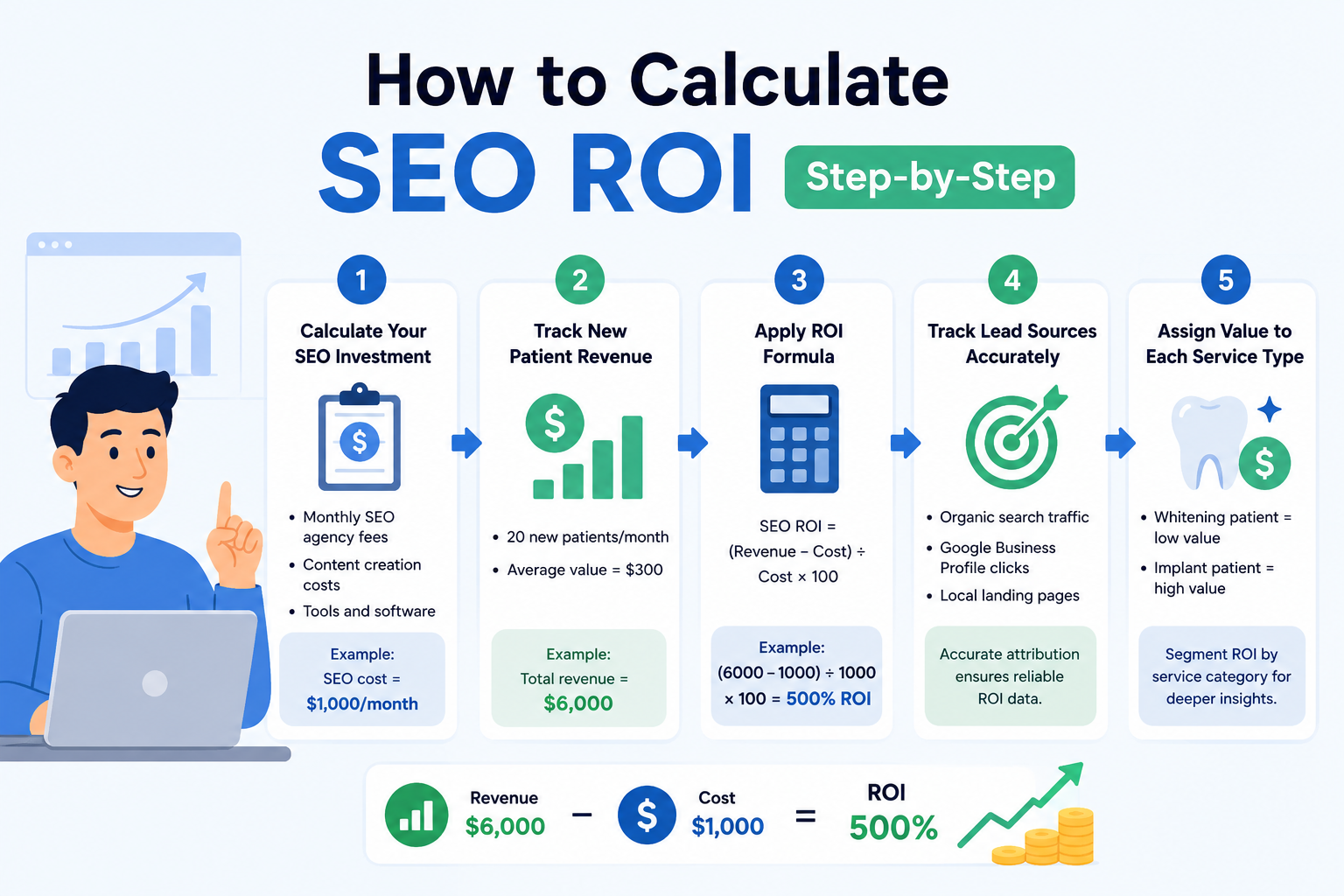
Step 1: Calculate Your SEO Investment
Include all costs:
- Monthly SEO agency fees
- Content creation costs
- SEO tools and software
Example:
SEO cost = £1,000 per month
Step 2: Track New Patient Revenue
Calculate the average patient value:
- Routine check-up: £100
- Cosmetic treatments: £1,000–£5,000
- Dental implants: £2,000–£6,000
Then calculate:
Number of patients from SEO × Average patient value
Example:
- 20 new patients per month
- Average patient value = £300
- Total revenue = £6,000
Step 3: Apply the ROI Formula
SEO ROI = (Revenue − Cost) ÷ Cost × 100
Example:
- Revenue = £6,000
- Cost = £1,000
ROI = (6,000 − 1,000) ÷ 1,000 × 100 = 500% ROI
Step 4: Track Lead Sources Accurately
Track leads to determine that traffic is SEO:
- Organic search traffic
- Google Business Profile clicks
- Local landing pages
When ROI data is not attributed, then it becomes erroneous.
Step 5: Assign Value to Each Service Type
Not all patients are equal in value.
For example:
- Teeth whitening patient = lower value
- Dental implant patient = higher value
Segment ROI by service category for deeper insights.
Tools to Measure SEO ROI for Dental Clinics
For effective monitoring of your SEO performance, you always need to be using professional SEO tools:
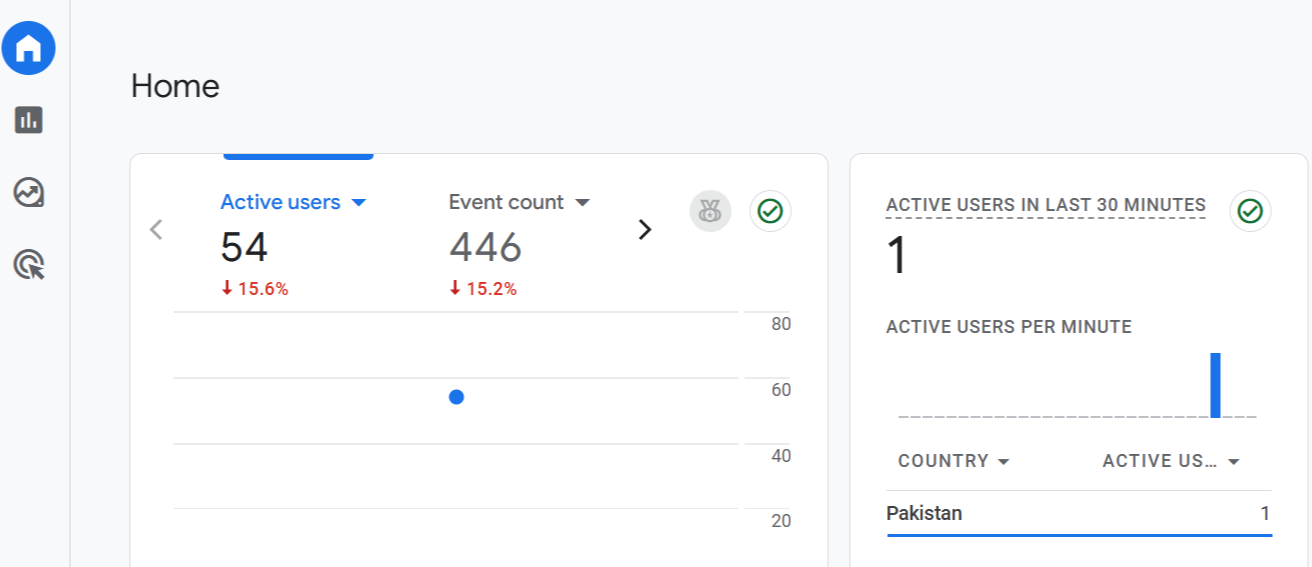
Google Analytics 4
Google Analytics is used to track:
- Traffic sources
- User behaviour
- Conversion tracking
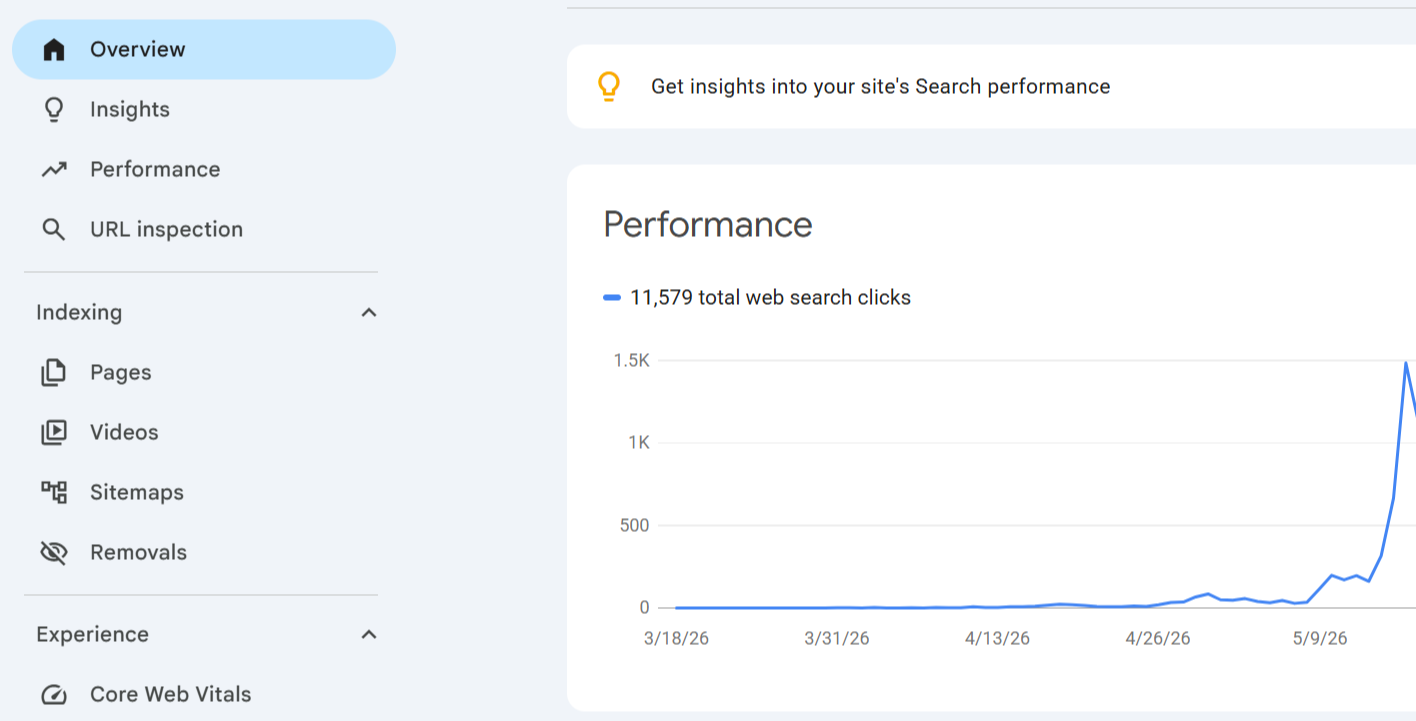
Google Search Console
GSC helps us monitor:
- Keyword rankings
- Click-through rates
- Indexing performance
Call Tracking Software
It is imperative for dental practices, as a lot of leads are generated through the phone.
CRM Systems
Used to track:
- Patient journeys
- Conversion from lead to appointment
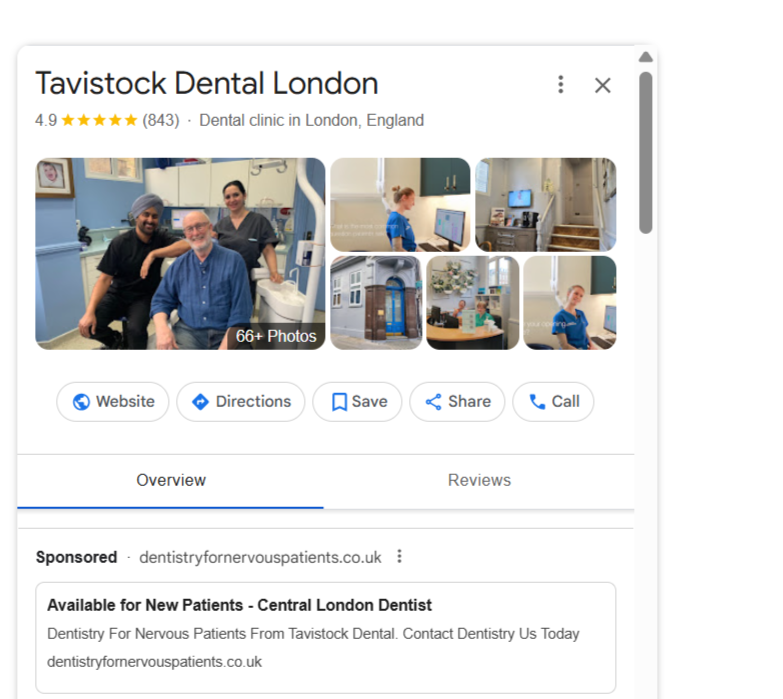
Google Business Profile Insights
Aids in measuring local search map performance and internal calls.
SEO vs Paid Ads ROI for Dental Practices
The strategies can attract new patients and accomplish different forms of return on investment, ROI.
Paid Ads (Google Ads)
An ad campaign on Google Ads, for example, provides instant visibility in the search results. Your campaign is live, and your clinic will be showing up at the top of Google for specific phrases such as “dentist near me” or “emergency dental care.”
There are, however, regular costs and restrictions involved with this speed:
- It provides instant traffic and visibility
- Cost per click can become very high in competitive dental markets
- Results are directly tied to your budget
SEO (Organic Search)
For long-term growth, Search Engine Optimisation (SEO) is often the stronger option.
Key benefits of SEO include:
- It takes more time to show results compared to ads
- Provides reduced LTPP (long-term patient per cost)
- Increases sustainable and stable patient volume
Frequently Asked Questions (FAQs)
How long does it take for dental practices to see an ROI from SEO?
Usually takes 3-6 months, depending on comp and crit site quality.
What’s a high dental SEO ROI?
In fact, a good dental SEO strategy can prove to be 300% to 800% ROI over time.
Do small dental practices have a prospect in SEO?
Yes. Small and mid-sized practices especially like local SEO.
SEO or Google Ads for dentists – which is the better option?
In the medium to long run, SEO would be more cost-effective and provide instant leads, while ads would take time to work up.
Final Thoughts
Finding the right way to account for SEO ROI is key to determining whether your practice is making money for effort in digital marketing. It is not just about visits to your website; it is about measuring the results of your website for such crucial metrics as calls, appointment bookings, new patient conversions, and more. It can provide insight into the success of your SEO strategy when done accurately.
In summary, SEO is a long-term investment and not an immediate cost. The journey starts with results, but its worth is tremendous for regular traffic flow, for a boost to its online presence, and for minimising reliance on paid advertising.