


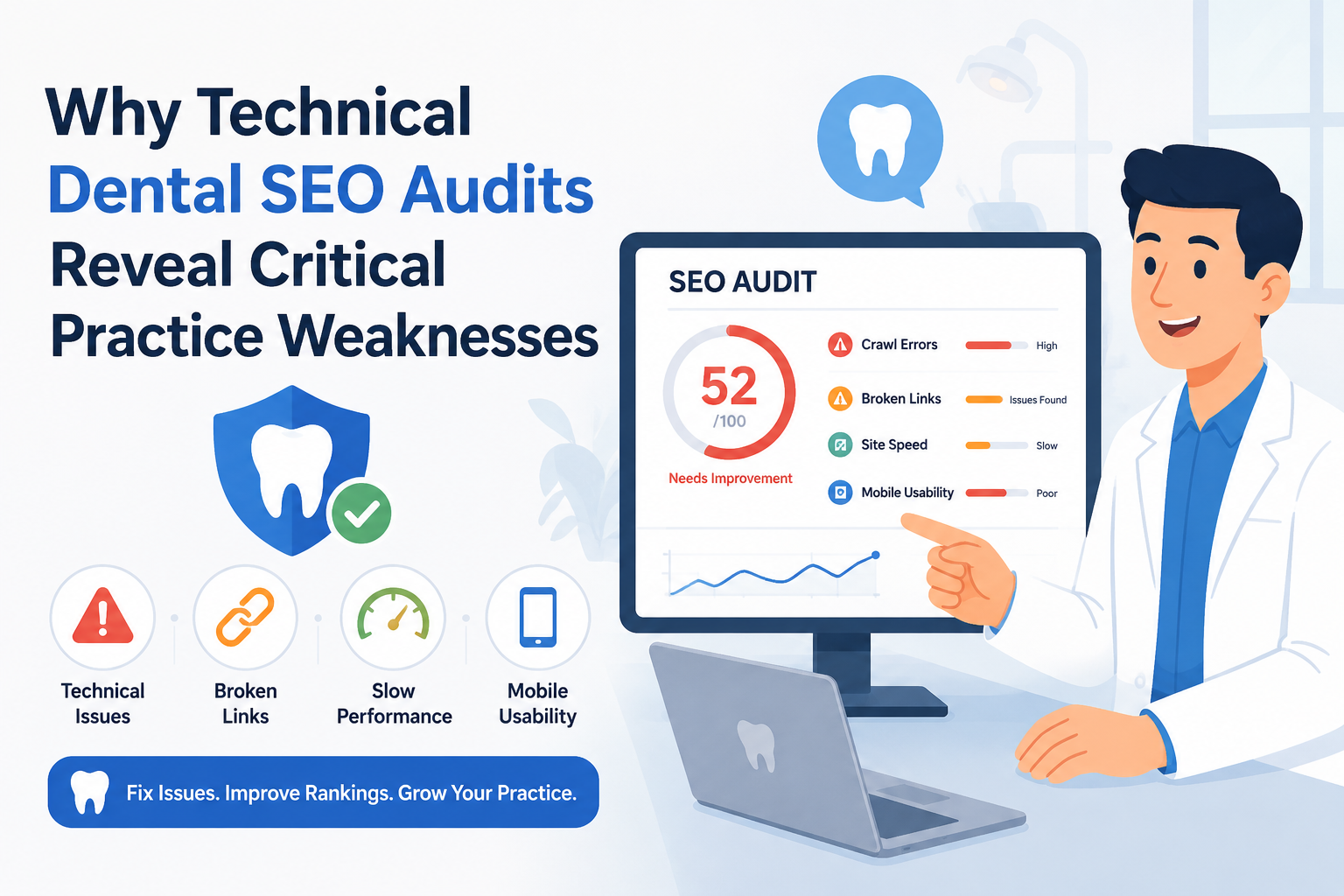
Ever thought about why your dental clinic isn’t ranking well on Google despite having a well-designed website?
Hidden technical SEO problems are costing many dental practices in the UK customers by losing them from their site on the results pages. A dental technical SEO audit can reveal these issues, explain why your practice may not be ranking higher than it should, and help you determine how to get more patients on your books.
If these are your weaknesses, the first thing you need to do is know them so that you can solve your website problem and make it a steady resource to book new patients online.
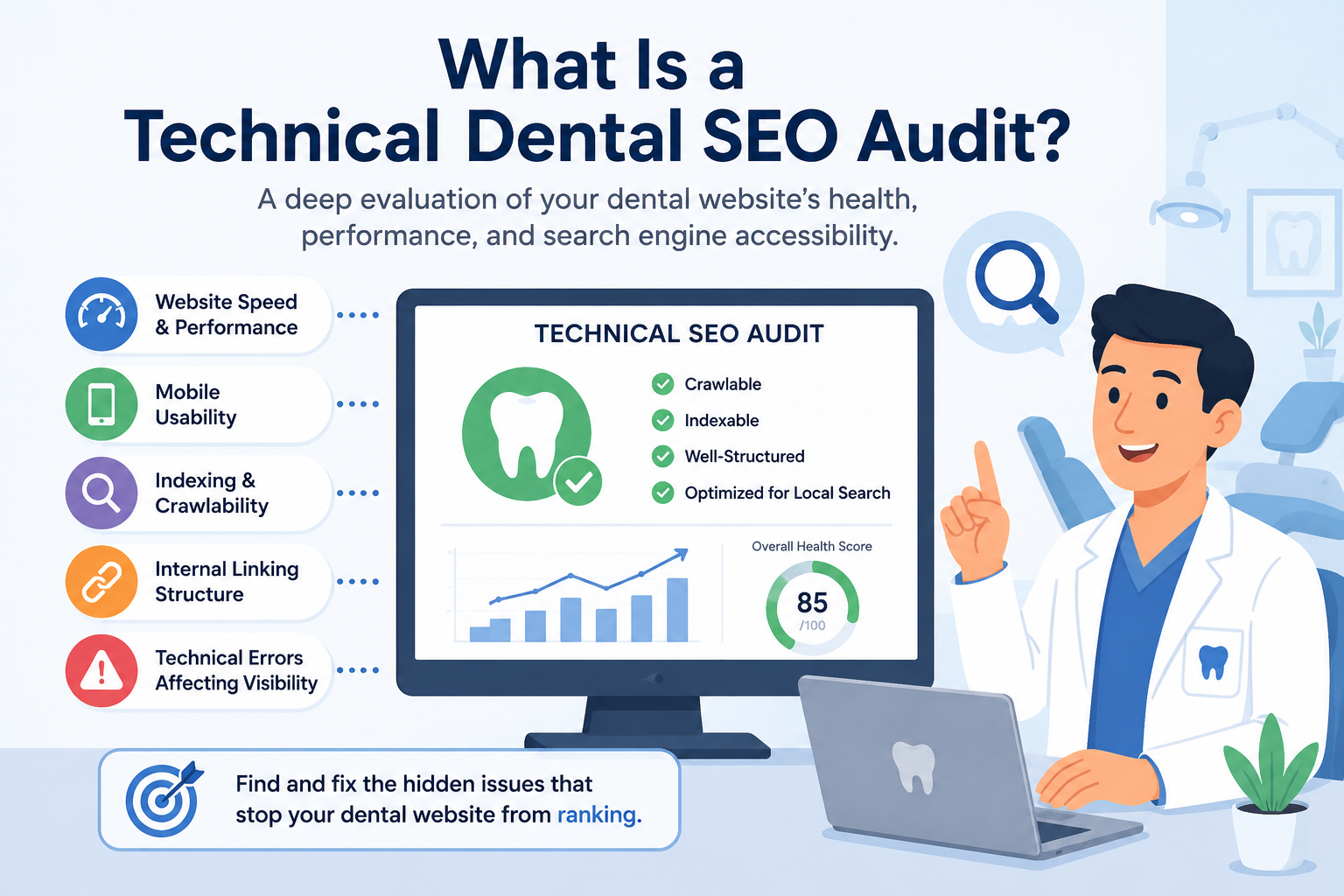
What Is a Technical Dental SEO Audit?
A technical dental SEO audit is an extensive research of the fitness, health, search engine friendliness, and performance of any dental website. It emphasises the website’s methods and architecture behind any visible elements of the site.
It investigates the ease of search engines like Google moving into:
- Crawl the website
- Index service pages
- Understand site structure
- Rank pages in local search results
A technical SEO audit for dentists is more in-depth than a standard website audit, looking at performance-related questions that directly impact patient acquisition.
Key focus areas include:
- Website speed and performance
- Mobile usability
- Indexing and crawlability
- Internal linking structure
- Technical errors affecting visibility
Weaknesses Revealed in Dental SEO Audits
With the help of a technical dental SEO audit, you will be able to uncover all of those problems that most practice owners don’t realise.
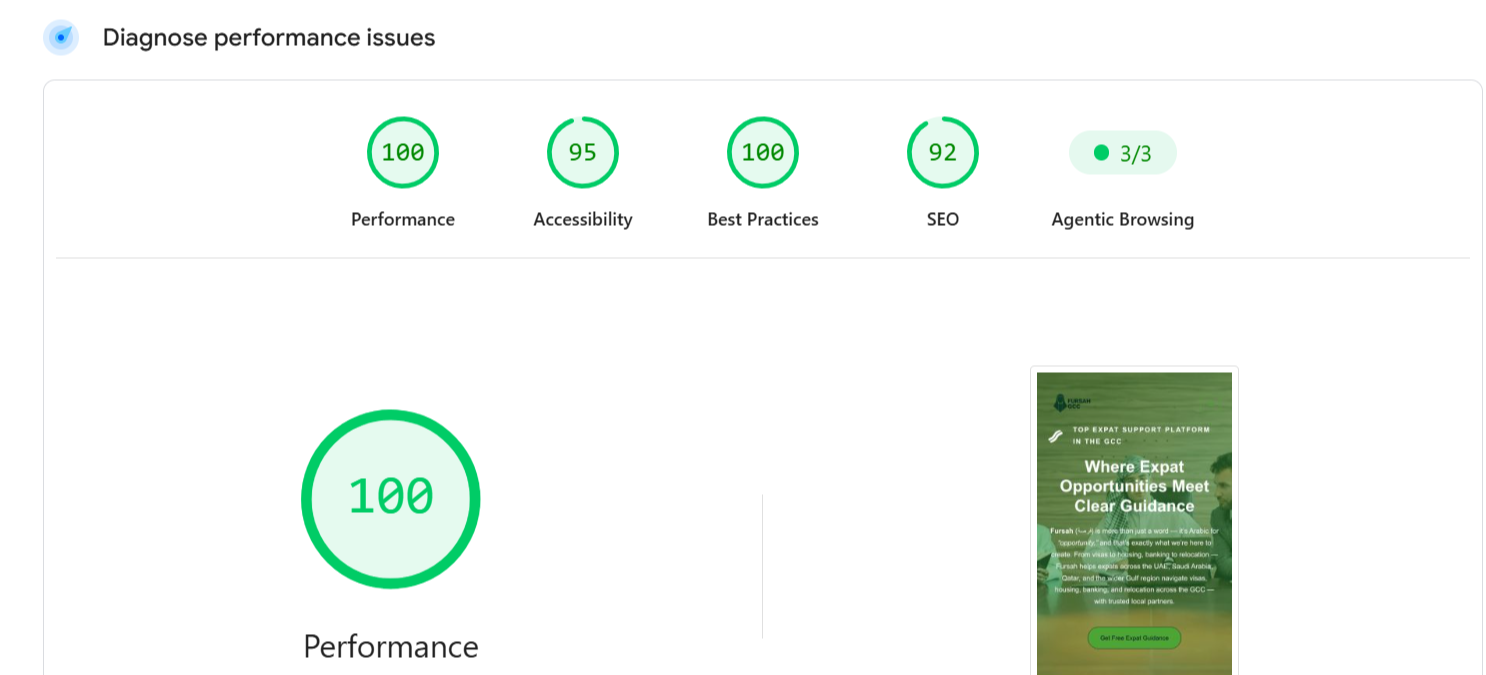
Slow Website Speed
Page speed is an important factor in ranking websites. Long wait times for loading a dental website make people give up before they have even had the chance to open the webpage.
Effects include:
- Higher bounce rate
- Lower Google rankings
- Reduced appointment bookings
Google takes into consideration web pages that load quickly, as it offers a better experience for users.
Read Also: How to Measure SEO ROI for a Dental Practice
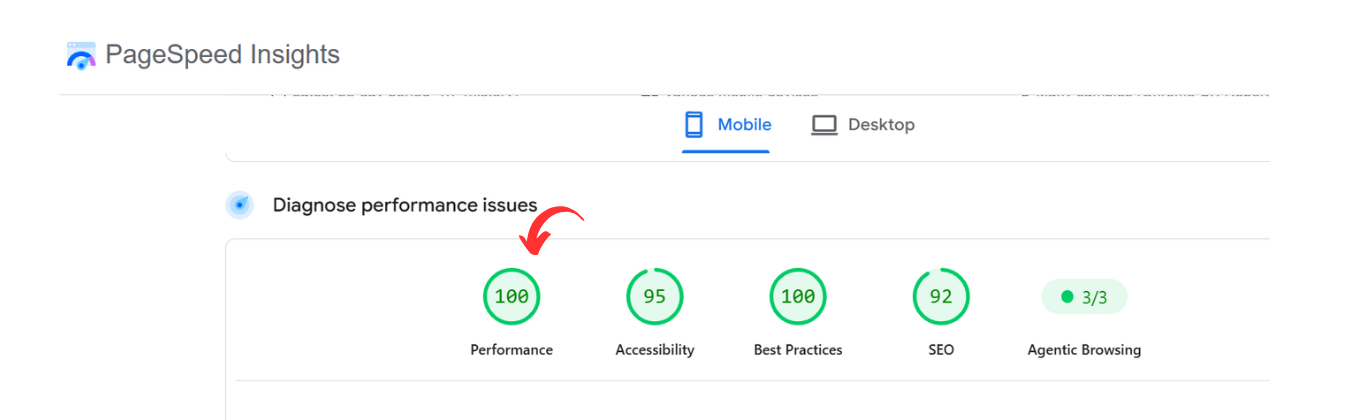
Poor Mobile Experience
Most dental searches in the UK are done via mobile devices.
The following are common mobile problems:
- Misaligned layouts
- Hard-to-click buttons
- Slow mobile loading speed
If the site doesn’t work well on mobile, then patients will give up on it right away and will head for the competition.
Indexing Problems
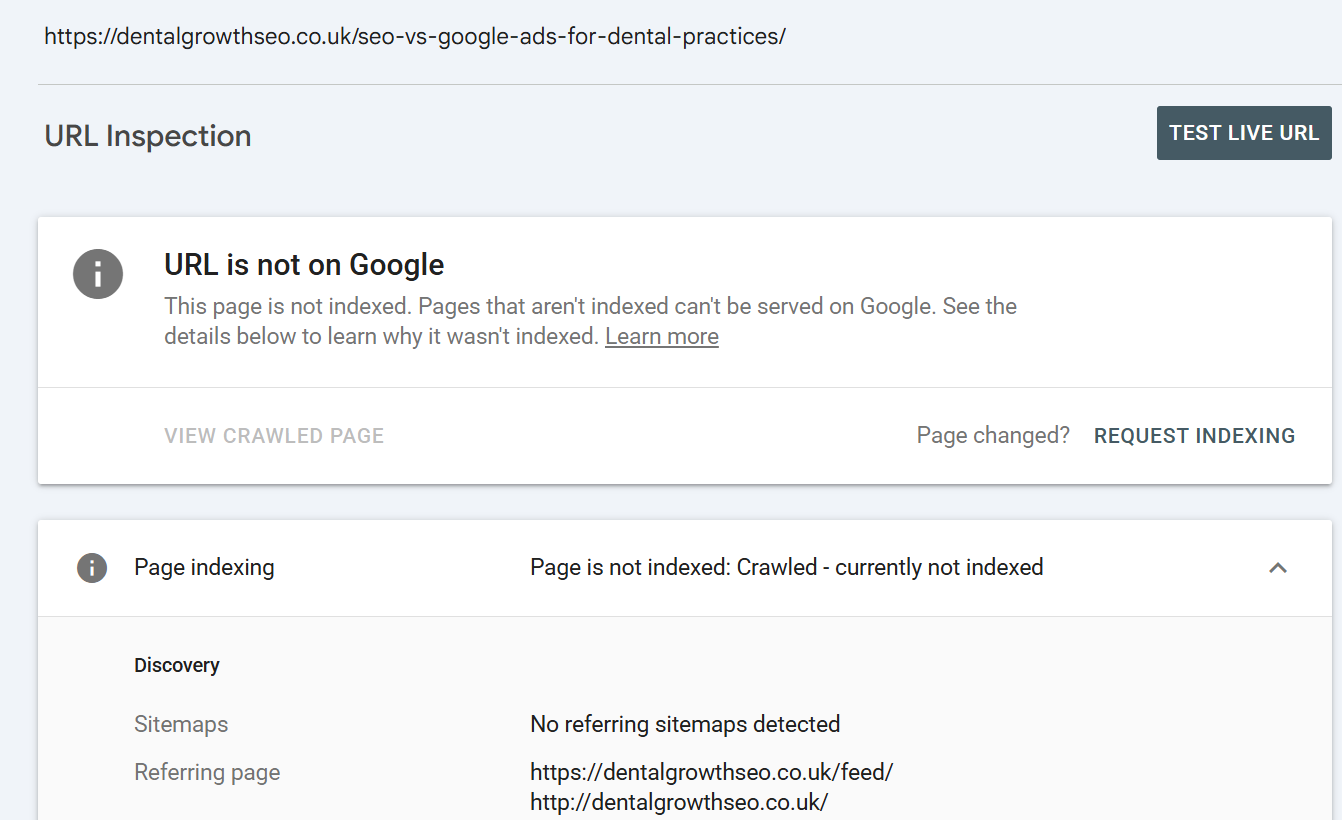
The truth is that many dental websites don’t exist on Google.
This happens due to:
- Incorrect robots.txt settings
- Missing XML sitemap
- Noindex tags applied incorrectly
Google won’t rank a page if you can’t find it, and this doesn’t matter how high-quality the content is.
Weak Local SEO Signals
Local SEO is essential for dental practices.
Common issues include:
- Poor management of a Google Business Profile (GBP)
- Lack of local landing pages
- Missing location-based keywords
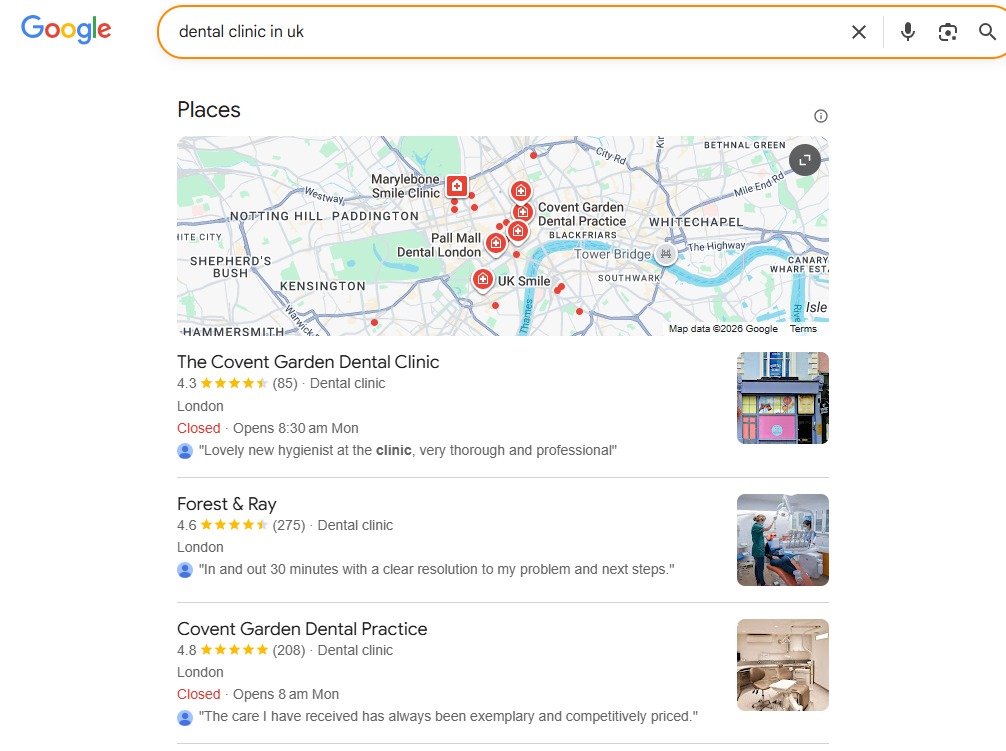
This leads to rather poor visibility on searches such as “dentist Birmingham” or “emergency dentist near me”.
Poor Internal Linking
It is beneficial for search engines to comprehend the structure of the website.
Weak internal linking causes:
- Poor page authority distribution
- Important pages are not ranking
- Confusing navigation structure
A strong internal link structure enhances both SEO and user experience.
How These Weaknesses Affect Patient Acquisition
The technical aspects of a website are not only important for its ranking—they play a direct role in patient bookings.
Crafted a dental website that isn’t optimised technically:
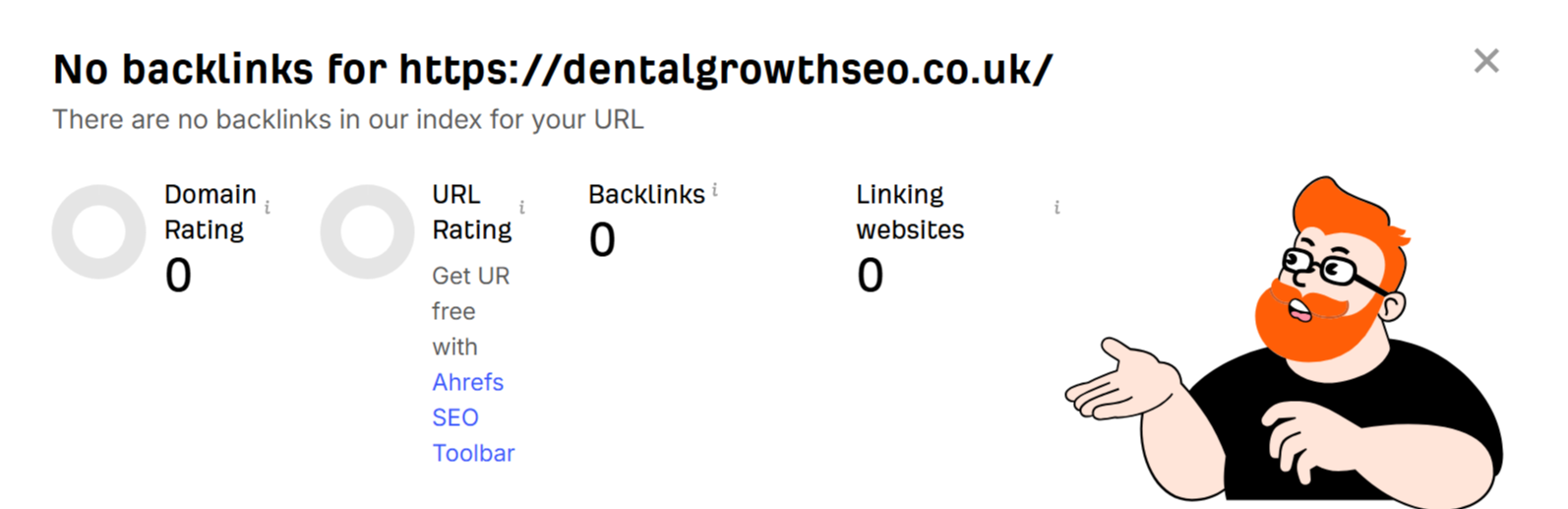
- Fewer patients find the clinic online
- Trust in the website decreases
- Competitors dominate search results
- Conversion rates drop significantly
Every technical issue is a lost patient opportunity.
What a Professional Dental SEO Audit Includes
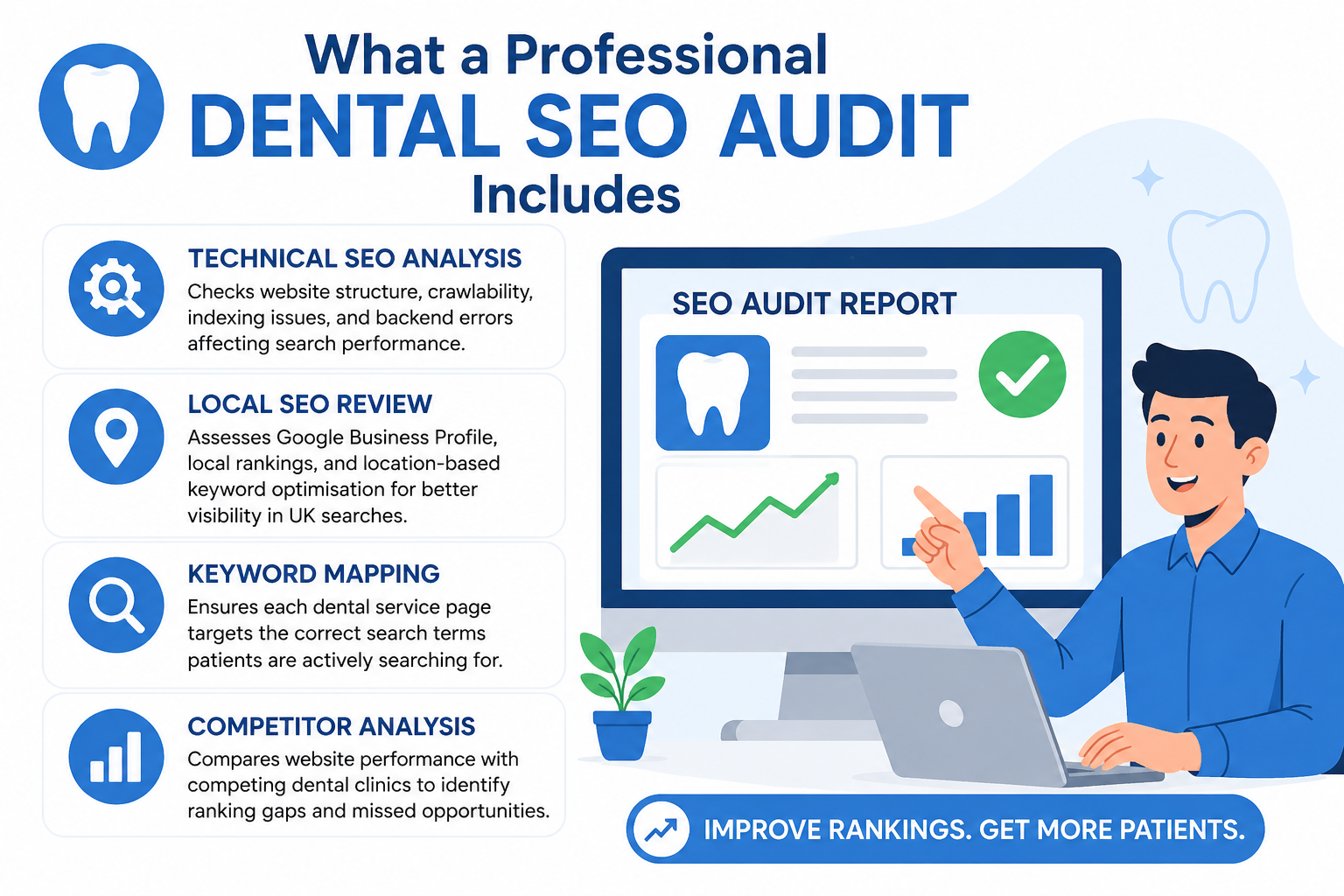
A dental SEO audit consists of a full analysis of the website’s technical condition, search rankings, and performance in Google, and includes the following parts:
Technical SEO Analysis
Evaluates website structure, crawlability, indexing problems, and backend errors that impact the website’s search performance.
Local SEO Review
Evaluates Google Business Profile and produces local rank and location-based optimisation to gain visibility in the UK.
Keyword Mapping
Optimises each page of dental services to use the correct keywords people are already searching for.
Competitor Analysis
Analyses the website against competing dental practices to measure strengths, weaknesses, threats and opportunities.
How to Fix These SEO Problems
When problems come up, they should be tackled in a strategic way to boost ranking and patient conversions.
Common solutions include:
- Optimising images and optimising the speed of pages with CDN.
- Address the slowing crawl/spammers and indexing problem
- Improving the dental service page structure
- Enhancing Google Business Profile optimisation
- Incorporating the dental services schema is a great
Frequently Asked Questions (FAQ)
What does a dental SEO audit involve?
A dental SEO audit is an exhaustive investigation into a dental website that details any technical, content, or local dental SEO issues that impact how doctors rank across Google.
Why do dental websites fail to rank?
Technical SEO problems, mobile optimisation problems, structural problems, and a lack of local SEO greatly hinder the majority of dental websites.
When to perform an SEO audit?
A comprehensive SEO audit should be done at least every 3-6 months to ensure good search performance.
Can SEO audits increase patient bookings?
Technical/SEO, of course, will help with visibility on Google, which will help patient enquiries and appointment booking increase.
Read Also: How Patients Search for Dentists Online in 2026
Final Words
A technical dental SEO audit is an essential tool used to discover several issues that derail dental practices from being well-visible on Google. The technical challenges, such as site performance, indexing, and weak local SEO signals, frequently go unnoticed and can plainly affect patient enquiries and website development. UK dental clinics in this highly competitive market cannot afford to overlook these issues, as they will have a real impact on the success they can achieve in the long-term.
Conduct and execute SEO audits regularly to evaluate and enhance your website to be search engine-friendly, easy to use, and comprehensive.